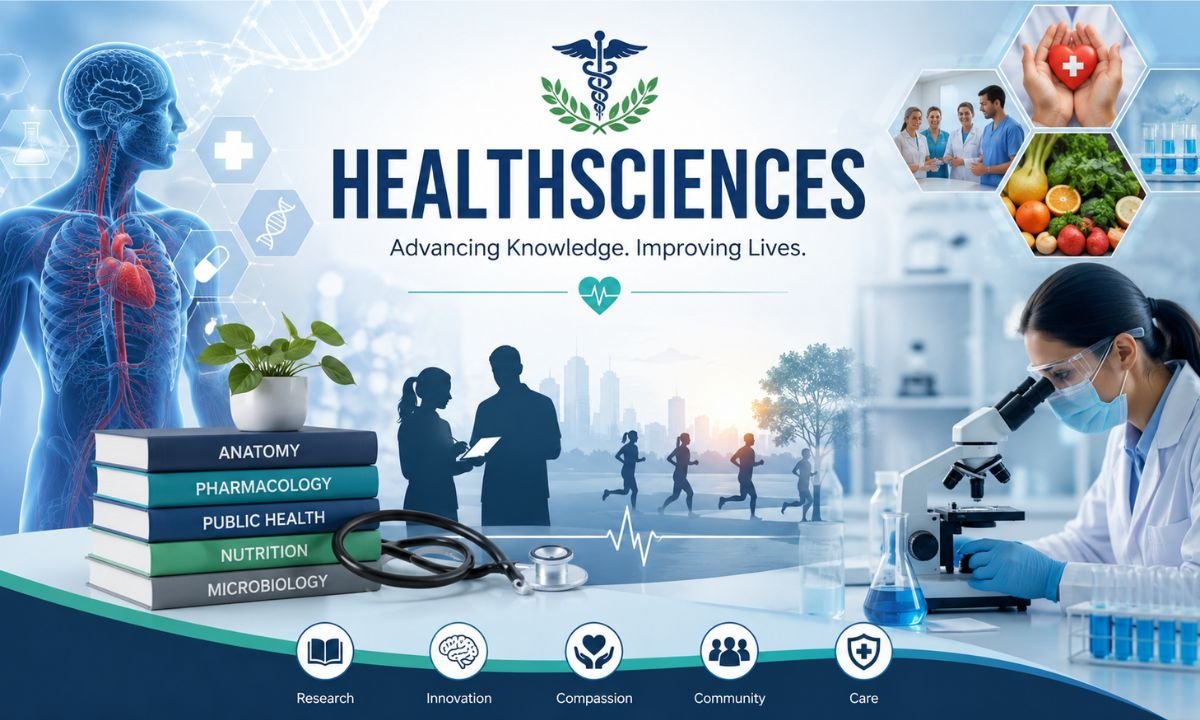
Healthsciences Guide to Understanding the Field of Health
Health sciences is a wide academic and professional field that focuses on human health and medical care. It studies how the body works and how diseases affect people in real-life situations.
The main goal is to improve health, treatment, and prevention of diseases in society.
The term healthsciences includes many branches that work together for better healthcare systems.
It connects science, technology, and clinical practice to support doctors and healthcare workers.
This field plays a major role in hospitals, research centers, and public health organizations.If you want to learn more about health-related topics and weight management strategies, you may also find the hsfweightloss technique by healthsciences forum helpful for additional insights and discussions.
Today, the demand for health professionals is growing rapidly across the world.
People depend on modern healthcare systems more than ever before in history.
What is Healthsciences?
Healthsciences is the study of health-related subjects that improve human life and medical services. It includes research, diagnosis, treatment, and prevention of diseases in individuals and populations. It also focuses on physical, mental, and social well-being of human beings.
This field combines biology, chemistry, medicine, and technology into one strong system.
Students and professionals learn how to solve real health problems using scientific methods. The importance of healthsciences continues to grow as new diseases and health challenges appear globally. It helps create better hospitals, medicines, and healthcare technologies for patients.
Major Branches of Health Sciences
Health sciences includes many important fields that work together for better health outcomes.
Each branch has its own role in improving human life and medical treatment systems.
| Branch | Description |
| Medicine | Diagnosing and treating diseases in patients |
| Nursing | Caring for patients in hospitals and clinics |
| Pharmacy | Preparing and distributing medicines safely |
| Public Health | Preventing diseases in communities |
| Nutrition | Studying food and healthy diet plans |
| Physiotherapy | Improving movement and physical recovery |
Each of these branches contributes to the overall system of healthcare services.
They all connect under the umbrella of healthsciences to improve global health.
Importance of Healthsciences in Modern Life
Health sciences plays a very important role in modern society and daily life.
It helps people live longer, healthier, and more productive lives across all age groups. One major importance is disease prevention through research and public awareness programs.
Another importance is developing advanced medical treatments and life-saving technologies.
Hospitals depend heavily on trained professionals from the healthsciences field.
Without this field, modern healthcare systems would not function effectively. It also supports mental health awareness and emotional well-being in society.
People now understand the value of balanced health due to scientific research.
Education and Study in Health Sciences
Students who study health sciences learn both theory and practical skills.
They study subjects like biology, anatomy, chemistry, and medical technology in detail. Students seeking broader educational knowledge can also explore resources available on Britannica, which provides detailed information on science, history, geography, and many other academic subjects.
Practical training in hospitals is also a major part of learning process. Students gain real experience by working with patients under supervision. Many universities offer degree programs in healthsciences at undergraduate and graduate levels.
These programs prepare students for professional careers in healthcare industries. The study of health sciences requires dedication, hard work, and strong scientific understanding.
Students must also develop communication skills to interact with patients effectively.
Career Opportunities in Health Sciences
Health sciences offers many career paths in different healthcare sectors around the world. Graduates can work in hospitals, laboratories, research centers, and public health departments.
Some popular careers include doctor, nurse, pharmacist, and medical technologist. Others work as dietitians, physiotherapists, and health educators in communities.
Career Paths in Health Sciences
| Career | Role |
| Doctor | Treats patients and diagnoses diseases |
| Nurse | Provides care and supports recovery |
| Pharmacist | Manages and dispenses medications |
| Lab Technician | Conducts medical tests and analysis |
| Public Health Officer | Controls disease spread in communities |
The field of healthsciences continues to grow with new job opportunities every year.
Technology and innovation are creating even more advanced healthcare roles.
Role of Technology in Health Sciences
Technology has changed the way healthcare systems work in the modern world. Doctors now use machines and software to diagnose diseases more accurately. Artificial intelligence helps in predicting diseases before they become serious. Medical imaging tools allow doctors to see inside the human body safely.
Digital health records make patient information easy to store and access. Telemedicine allows patients to talk to doctors without visiting hospitals physically. The combination of technology and healthsciences is improving healthcare speed and quality. It also reduces human error and increases treatment success rates.
Public Health and Community Well-being
Public health is a key part of health sciences that focuses on populations. It works to prevent diseases and improve health awareness in communities. Vaccination programs protect people from dangerous and life-threatening diseases. Clean water and hygiene education reduce the spread of infections.
Health workers educate people about healthy lifestyles and disease prevention methods. Government organizations invest in public health systems to protect society. The role of healthsciences in public health is very important for global safety. It helps control pandemics and health emergencies effectively.
Challenges in Health Sciences
Even though health sciences is very advanced, it still faces many challenges. One major challenge is the shortage of trained healthcare professionals in many regions. Another challenge is the high cost of medical education and healthcare services. Some countries struggle with poor healthcare infrastructure and limited resources.
New diseases and viruses also create ongoing global health risks. Healthcare systems must constantly adapt to new medical challenges. The field of healthsciences works continuously to solve these problems through research. Scientists and doctors collaborate to improve global healthcare systems.
Future of Health Sciences
The future of health sciences looks very promising and advanced. New technologies will continue to improve diagnosis and treatment methods. Genetic research may help cure diseases that are currently untreatable. Artificial intelligence will play a bigger role in medical decision-making.
Personalized medicine will allow treatments based on individual patient needs. Healthcare systems will become faster, smarter, and more efficient. The growth of healthsciences will create better opportunities for students worldwide. It will also improve life expectancy and quality of life for people.
Conclusion
Health sciences is a powerful field that improves human life and healthcare systems globally. It combines science, technology, and medical knowledge into one important discipline. The study of healthsciences helps in preventing diseases and saving lives every day. It also supports better healthcare education, research, and professional development.
As the world continues to evolve, this field will remain essential for society. It will continue to shape the future of medicine and human well-being. Health sciences is not just a subject; it is a foundation of modern healthcare.
FAQs on Healthsciences
Q. What is healthsciences in simple words?
Healthsciences is the study of health, medicine, and how to prevent and treat diseases. It helps improve human well-being through science and healthcare practices.
Q. What subjects are included in healthsciences?
Healthsciences includes subjects like anatomy, biology, chemistry, nutrition, pharmacy, nursing, and public health. These subjects work together to understand and improve human health.
Q. Why is healthsciences important?
Healthsciences is important because it helps save lives, prevent diseases, and improve healthcare systems. It also supports medical research and better treatment methods.
Q. What careers can you choose in healthsciences?
You can choose many careers such as doctor, nurse, pharmacist, physiotherapist, lab technician, or public health worker. Each role supports different parts of healthcare.
Q. Is healthsciences a good career choice?
Yes, healthsciences is a strong career choice because it offers job stability, growth, and the chance to help people. Healthcare jobs are always needed worldwide.
Q. How does technology help in healthsciences?
Technology helps healthsciences by improving diagnosis, treatment, and patient care. Tools like AI, medical imaging, and telemedicine make healthcare faster and more accurate.